Status
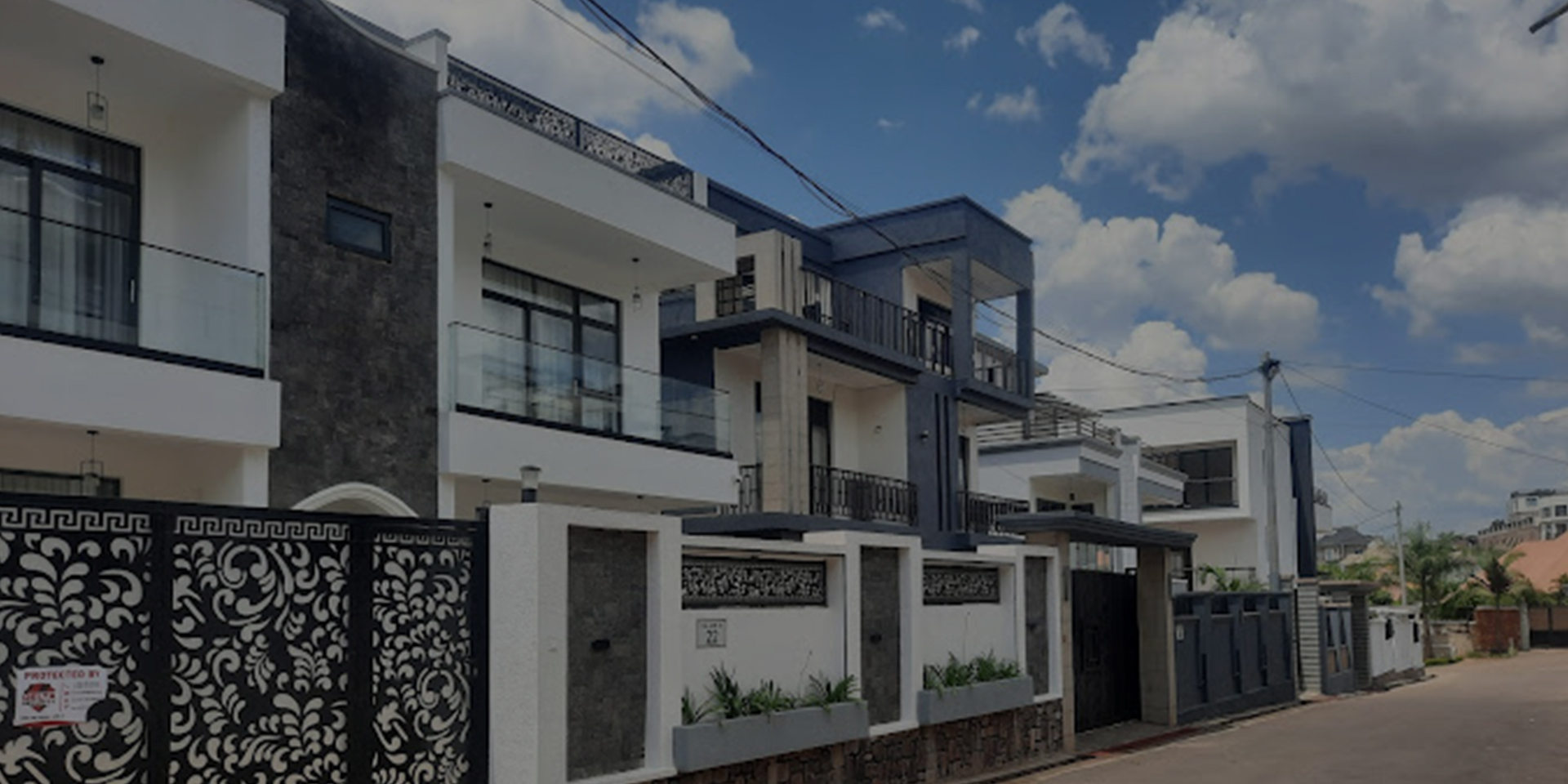
Affordable housing in Rwanda has become a key focus for the government as the country continues to urbanize rapidly. With Kigali and other cities experiencing population growth, the demand for decent and affordable homes is rising sharply. However, a significant portion of the population—especially those in low- and middle-income brackets—struggles to access housing due to high construction costs, limited financing options, and the scarcity of serviced land. In response, the Rwandan government has introduced policies and partnered with private developers to promote the construction of affordable housing units. Initiatives such as the Rwanda Housing Authority’s Affordable Housing Program and infrastructure subsidies for developers aim to reduce costs and increase accessibility.
Despite these efforts, challenges remain. Many affordable housing projects are still priced beyond the reach of the poorest citizens, and informal settlements continue to grow as a result. To create lasting solutions, experts argue that Rwanda must invest more in public-private partnerships, enhance access to affordable housing loans, and improve urban planning to include better transport and social services. By addressing both economic and structural barriers, Rwanda has the potential to create inclusive cities where all citizens have access to safe and affordable homes.
Despite these efforts, challenges remain. Many affordable housing projects are still priced beyond the reach of the poorest citizens, and informal settlements continue to grow as a result. To create lasting solutions, experts argue that Rwanda must invest more in public-private partnerships, enhance access to affordable housing loans, and improve urban planning to include better transport and social services. By addressing both economic and structural barriers, Rwanda has the potential to create inclusive cities where all citizens have access to safe and affordable homes.
Despite these efforts, challenges remain. Many affordable housing projects are still priced beyond the reach of the poorest citizens, and informal settlements continue to grow as a result. To create lasting solutions, experts argue that Rwanda must invest more in public-private partnerships, enhance access to affordable housing loans, and improve urban planning to include better transport and social services. By addressing both economic and structural barriers, Rwanda has the potential to create inclusive cities where all citizens have access to safe and affordable homes.
Despite these efforts, challenges remain. Many affordable housing projects are still priced beyond the reach of the poorest citizens, and informal settlements continue to grow as a result. To create lasting solutions, experts argue that Rwanda must invest more in public-private partnerships, enhance access to affordable housing loans, and improve urban planning to include better transport and social services. By addressing both economic and structural barriers, Rwanda has the potential to create inclusive cities where all citizens have access to safe and affordable homes.
Leave a Reply